
Ohme vs zappi: which home EV charger should you buy?
The table compares two single-phase tethered chargers: the Ohme Home Pro with a 5 m cable and the 7 kW zappi with a 6.5 m cable. Both have a three-year warranty. Ohme suits drivers who want a smart tariff to decide when the car charges; zappi suits homes with solar panels that want the car to soak up spare generation.
Written from sources checked 30 October 2026.
Which should you buy?
Choose Ohme if you’re on a smart tariff
Ohme sells the Home Pro with its standard installation in one order, connects over a 4G SIM, and says it works directly with tariffs such as Intelligent Octopus Go.
Choose zappi if you have solar panels
zappi’s ECO and ECO+ modes are built around charging from your own generation, the box includes a CT clamp, and it links with myenergi’s batteries and diverters. Electrifying recommends it for homes with solar and other myenergi equipment, while finding the case relatively large.
Choose zappi if you have three-phase power
myenergi also sells 22 kW zappis for homes with a three-phase supply; the car sets how much of that it can take. Ohme’s Home Pro and ePod are single-phase only.
Side by side
| Feature | Ohme Home Pro 7.4 kW, 5 m | zappi 7 kW, 6.5 m |
|---|---|---|
| Current price | No current price | No current price |
| Cable | 5 m attached (8 m extra) | 6.5 m attached |
| Network | 4G SIM | Wi-Fi |
| Solar | Solar Boost with CT clamp | ECO and ECO+ modes; CT clamp in box |
| Other versions | ePod: socketed, no cable | Socketed; 22 kW three-phase |
| Size | 170 × 200 × 100 mm | 439 × 282 × 122 mm |
| Warranty | 3 years | 3 years |
Prices on 30 October 2026
On that date the two headline prices covered different things. Ohme’s £999 included a standard installation: up to 15 m of cable to the consumer unit through one wall, with longer runs or a board upgrade quoted after the survey. myenergi’s £799 for the 7 kW tethered zappi was the charger alone, with installation arranged through an installer from its map. Ask a zappi installer for a quote on the same standard terms before comparing totals.
Without a cable on the wall, the ePod was £949 installed and the socketed zappi £779 for the charger alone. Neither price included a charging lead.
Tariffs and solar in practice
Ohme schedules charging around your tariff from its app and handles solar with a Solar Boost setting. myenergi gives zappi three modes, FAST, ECO and ECO+, which draw from the grid, from solar or a mix, and says it can charge on 100% self-generated energy. If most of your charging will happen overnight on a cheap rate, Ohme’s tariff integration is the simpler route. If you’re home in the day with panels on the roof, zappi’s solar modes are the reason to buy it.
Ohme needs no home network at the charger. zappi uses Wi-Fi, so check the signal reaches the wall where it will go.
The configurations compared
Ohme Home Pro
-
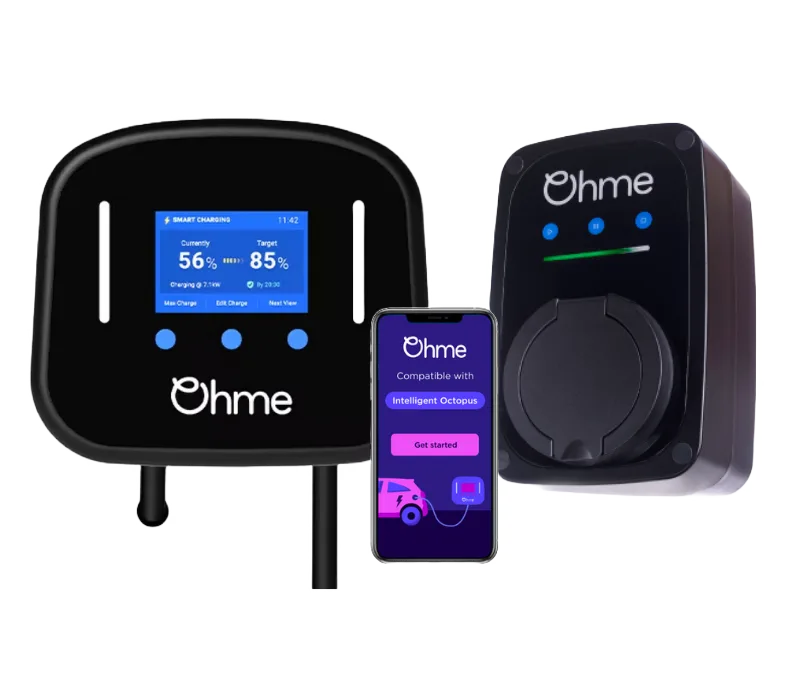 Ohme Home Pro — 7.4 kW · 5 m Type 2 cable In the table · No current price
-
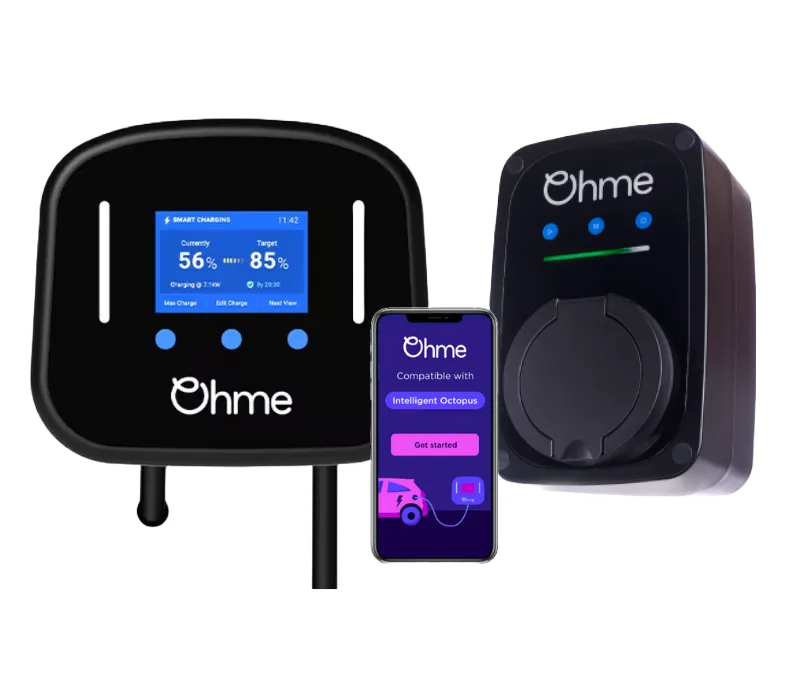 Ohme ePod — 7.4 kW · socketed No current price
myenergi zappi
-
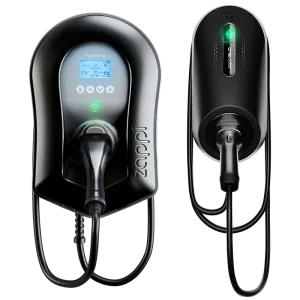 myenergi zappi — 7 kW · 6.5 m Type 2 cable In the table · No current price
-
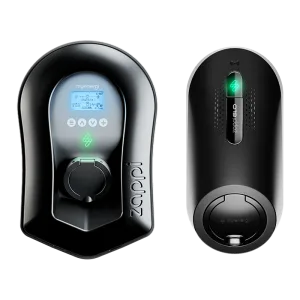 myenergi zappi — 7 kW · socketed No current price
-
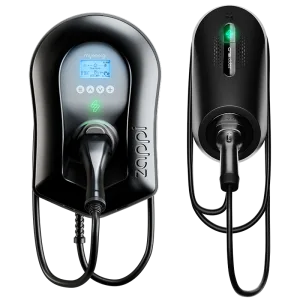 myenergi zappi — 22 kW · 6.5 m Type 2 cable No current price
Sources
- Ohme UK: compare Home Pro and ePod — checked 30 October 2026
- Ohme UK: ePod product page (states the Home Pro price includes VAT) — checked 30 October 2026
- Ohme: what’s included in a standard installation — checked 30 October 2026
- myenergi: zappi prices, modes and box contents — checked 30 October 2026
- Electrifying: myenergi zappi review — checked 30 October 2026